

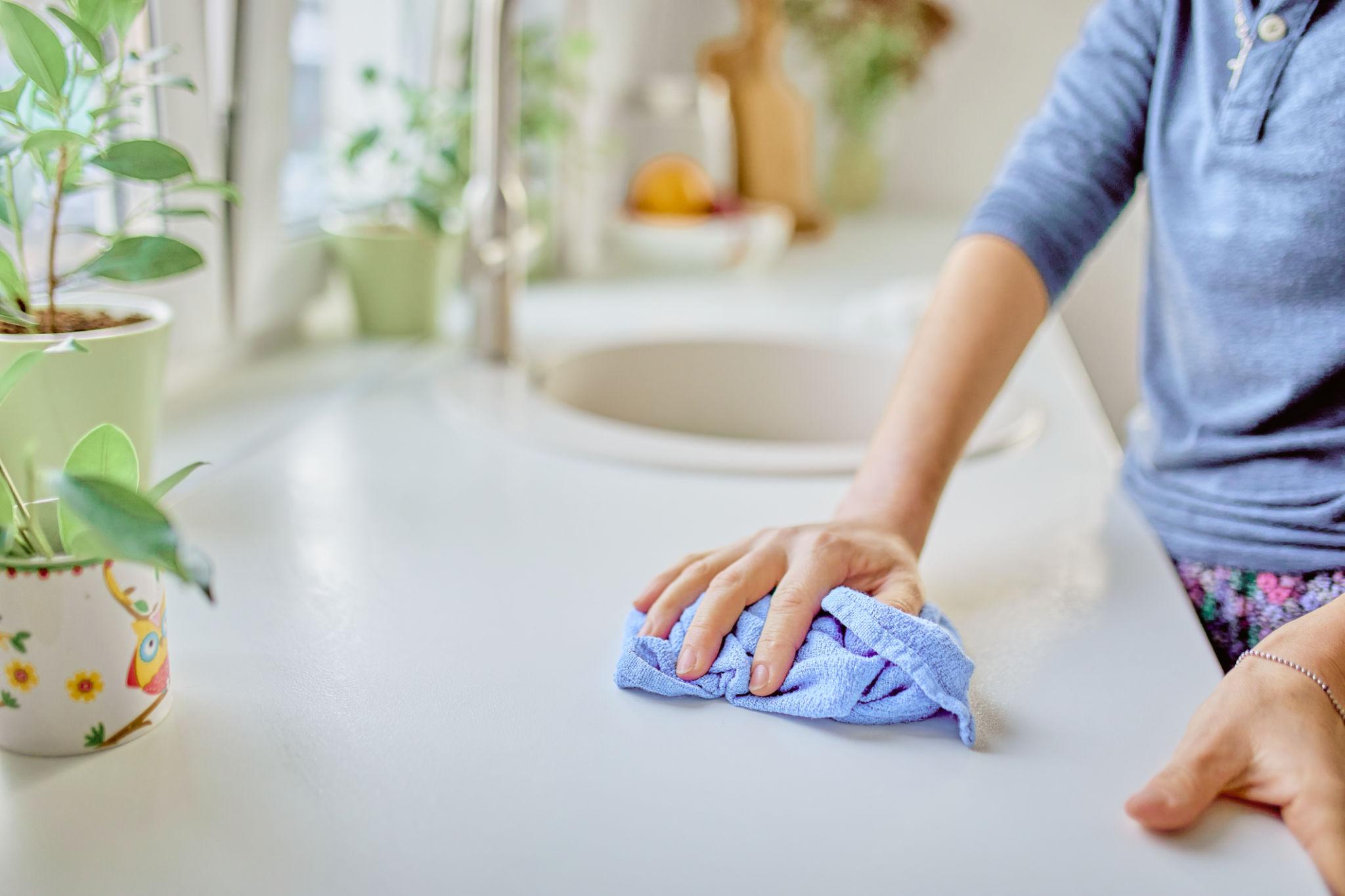
Maintaining a clean home is one of the most effective ways to prevent pest infestations without relying heavily on chemical treatments. Pests enter homes primarily in search of food, water, shelter, and warmth. When these resources are limited through consistent cleaning habits, the chances of infestation decrease significantly.
A structured cleaning routine not only improves hygiene but also acts as a natural barrier against insects and rodents. Understanding how cleanliness disrupts pest activity helps homeowners maintain healthier and safer living spaces. 🏠
Why Cleanliness Plays a Key Role in Pest Prevention
Pests are attracted to environments where they can easily find nourishment and hiding spots. Regular cleaning removes these attractants and makes indoor spaces less suitable for nesting.
Clean homes help:
- Reduce accessible food sources
- Eliminate moisture buildup
- Remove hidden shelter areas
- Improve indoor air quality
- Prevent pest breeding conditions
Consistent cleaning habits create an environment that naturally discourages pest activity.
Keeping Kitchen Surfaces Free of Food Residue
The kitchen is the most common entry point for pests because it provides easy access to food. Even small crumbs or spills can attract insects quickly.
Important cleaning practices include:
- Wiping countertops after every meal
- Sweeping floors daily
- Cleaning under appliances regularly
- Sealing leftover food properly
- Emptying trash bins frequently
A clean kitchen significantly lowers the risk of cockroaches, ants, and pantry pests.
Proper Food Storage Reduces Pest Attraction
Food left exposed inside cabinets or on counters becomes an easy target for insects and rodents. Secure storage reduces access and prevents contamination.
Helpful storage habits include:
- Using airtight containers for dry goods
- Storing fruits appropriately
- Keeping pantry shelves organized
- Avoiding open packaging inside cabinets
Organized food storage minimizes pest entry opportunities. 🍎
Eliminating Moisture Prevents Pest Breeding
Many pests rely on moisture to survive and reproduce. Damp areas often attract termites, mosquitoes, and cockroaches.
Key moisture control steps include:
- Fixing leaking pipes quickly
- Drying sinks after use
- Improving ventilation in bathrooms
- Cleaning damp corners regularly
Reducing humidity removes favorable conditions for pest growth.
Decluttering Removes Hiding Spaces
Cluttered environments provide shelter where pests can hide unnoticed. Removing unused items makes detection easier and discourages nesting.
Focus on clearing:
- Storage room corners
- Under-bed areas
- Behind furniture
- Unused cardboard boxes
- Stacked paper materials
Decluttered homes make it difficult for pests to remain undetected.
Managing Waste Properly Prevents Infestation
Garbage is one of the strongest attractants for pests. Improper waste disposal quickly leads to recurring problems.
Effective waste management includes:
- Using sealed trash containers
- Disposing of kitchen waste daily
- Cleaning bins regularly
- Avoiding overnight food waste storage indoors
Clean waste habits reduce pest activity around living areas.
Cleaning Entry Points Limits Pest Access
Small gaps around doors and windows allow pests to enter easily. Regular inspection and cleaning around these areas helps maintain protection.
Important actions include:
- Removing debris near entrances
- Cleaning window tracks
- Sealing visible cracks
- Maintaining door sweeps
Reducing entry points lowers indoor pest movement significantly.
Maintaining Clean Floors Discourages Crawling Insects
Dust, crumbs, and spills on floors attract ants and other crawling pests. Regular floor maintenance improves hygiene and reduces infestations.
Recommended routines include:
- Daily sweeping in high-use areas
- Weekly deep mopping
- Cleaning under furniture
- Keeping carpets vacuumed regularly
Clean floors remove important food sources for pests.
Organizing Storage Areas Improves Pest Detection
Well-organized storage spaces help identify pest activity early before infestations spread.
Useful storage practices include:
- Using labeled containers
- Keeping items off the floor
- Avoiding overcrowded shelves
- Reviewing stored goods periodically
Early detection supports faster prevention and control.
Maintaining Outdoor Cleanliness Around the Home
Outdoor areas influence indoor pest activity more than many homeowners realize. Clean surroundings reduce the chances of pests entering the house.
Helpful outdoor habits include:
- Removing standing water near entrances
- Keeping garden areas trimmed
- Clearing fallen leaves regularly
- Storing firewood away from walls
Outdoor cleanliness strengthens indoor protection. 🌿
Regular Deep Cleaning Supports Long-Term Protection
Routine surface cleaning helps daily maintenance, but deep cleaning removes hidden pest attractants that accumulate over time.
Deep cleaning should include:
- Behind large appliances
- Inside storage cabinets
- Ceiling corners and vents
- Upholstered furniture edges
Periodic deep cleaning keeps infestations from developing unnoticed.
Conclusion
Maintaining a clean home is one of the simplest and most effective natural methods for preventing pest infestations. By removing food residues, controlling moisture, organizing storage areas, managing waste properly, and reducing clutter, homeowners can create an environment that discourages pests from entering or settling indoors. Consistent cleaning habits support long-term hygiene and help maintain a safer, healthier living space for everyone.
Frequently Asked Questions (FAQs)
1. Can regular cleaning completely eliminate the risk of pests?
Cleaning significantly reduces risk, but periodic inspections are still helpful to detect early signs of activity.
2. Which household areas attract pests the most?
Kitchens, storage rooms, bathrooms, and entry points are the most common pest-prone areas.
3. Does vacuuming help control pest activity indoors?
Yes, vacuuming removes crumbs, dust, and pest eggs that may otherwise support infestations.
4. Are natural cleaning routines effective against pantry pests?
Yes, proper storage and shelf cleaning greatly reduce pantry pest attraction.
5. How often should garbage bins be cleaned to prevent pests?
Bins should be rinsed and sanitized weekly to reduce odor buildup and pest attraction.
6. Can pets contribute to pest attraction inside homes?
Pet food left uncovered may attract insects or rodents if not stored properly.
7. Is seasonal cleaning helpful for pest prevention?
Seasonal deep cleaning helps remove hidden nesting areas and reduces infestation risks throughout the year.