

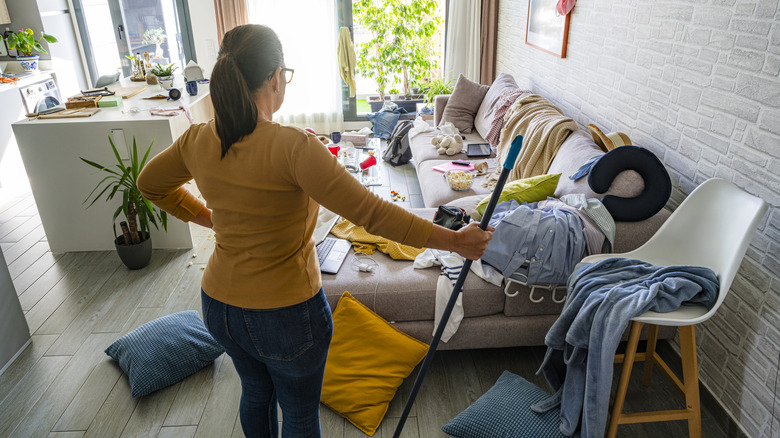
A well-decorated home should feel balanced, comfortable, and visually calm. However, even with stylish furniture and quality décor, certain decorating mistakes can make interiors appear crowded and disorganized. Often, clutter is not caused by lack of space—it results from poor layout choices and excessive styling decisions.
Understanding these common mistakes helps transform interiors into spaces that feel open, intentional, and professionally styled. 🏡✨
Overcrowding Furniture in One Room
One of the most common causes of visual clutter is placing too much furniture in a limited space.
This often happens when:
- every wall is filled with furniture
- oversized sofas dominate small rooms
- extra chairs reduce movement flow
- storage units block natural pathways
Instead, prioritize functional spacing so each furniture piece has room to breathe.
Ignoring Proper Furniture Scale and Proportion
Furniture that does not match the size of a room creates imbalance instantly.
Examples include:
- large sectionals in compact living rooms
- tiny rugs under large seating areas
- bulky tables in narrow entryways
Balanced proportions help rooms feel spacious and intentional rather than cramped.
Using Too Many Decorative Accessories
Accessories add personality, but too many create visual noise.
Common mistakes include:
- overcrowded shelves
- excessive tabletop décor
- too many photo frames
- multiple small decorative objects grouped randomly
Professional designers prefer fewer pieces that make a stronger visual impact.
Poor Storage Planning
Visible clutter often results from missing storage solutions rather than too many belongings.
Typical signs include:
- exposed cables
- scattered shoes near entryways
- overflowing countertops
- open shelving without organization
Adding concealed storage keeps everyday essentials accessible without overwhelming the space.
Mixing Too Many Design Styles at Once
Combining styles can create character—but without direction, it leads to confusion.
Visual clutter appears when:
- modern furniture mixes randomly with traditional pieces
- color palettes clash
- textures compete rather than complement
Choose one dominant style and support it with subtle variations.
Overusing Bold Colors and Patterns
Bold colors can energize interiors, but excessive use creates visual fatigue.
Common pattern-related mistakes include:
- multiple competing prints
- strong colors on every wall
- mismatched textiles
- heavy wallpaper combined with bold upholstery
Balance statement elements with neutral tones for harmony. 🎨
Hanging Artwork Incorrectly
Artwork placement affects how organized a room feels.
Mistakes that create clutter include:
- hanging art too high
- using frames that are too small
- overcrowding gallery walls
- placing unrelated pieces together
Artwork should align with furniture proportions and eye-level placement for best results.
Choosing the Wrong Rug Size
A poorly sized rug disconnects furniture visually and makes rooms feel fragmented.
Common issues include:
- rugs floating away from seating areas
- undersized rugs in living rooms
- narrow runners in wide hallways
Properly sized rugs anchor furniture and unify the layout.
Blocking Natural Light Sources
Natural light makes interiors feel open and airy. Blocking it increases the perception of clutter.
Avoid:
- heavy curtains covering windows
- tall furniture near light sources
- dark wall colors in already dim spaces
Allowing light to move freely improves spatial clarity instantly. ☀️
Overdecorating Walls
Walls need balance just like furniture layouts.
Cluttered walls often include:
- too many frames in one area
- overlapping decorative elements
- mismatched wall art styles
- excessive shelving displays
Leave intentional empty space to create visual breathing room.
Ignoring Walkway Flow and Movement Space
Poor circulation planning makes rooms feel tighter than they actually are.
To improve flow:
- keep pathways clear
- avoid placing furniture near entrances
- leave space between seating arrangements
- align furniture with natural movement patterns
Open movement areas enhance both comfort and appearance.
Keeping Too Many Items on Display
Displaying everything at once reduces the impact of meaningful décor.
Professional designers recommend:
- rotating seasonal accessories
- storing unused decorative pieces
- highlighting fewer statement items
- maintaining clean surfaces
Selective display creates a refined and calm environment.
Using Oversized Lighting Fixtures in Small Rooms
Lighting should enhance a room—not dominate it.
Oversized fixtures can:
- overwhelm ceilings visually
- reduce openness
- disrupt balance with furniture scale
Choose fixtures proportional to room size for better harmony. 💡
FAQ Section
1. How can I quickly make a cluttered room look more organized?
Start by clearing surfaces, removing unnecessary accessories, and rearranging furniture to improve walking space and visual balance.
2. Is open shelving always a cause of visual clutter?
Not necessarily. Open shelving looks organized when items are grouped thoughtfully and color-coordinated.
3. Can too many indoor plants make a space look crowded?
Yes. While plants improve aesthetics, excessive placement without spacing can overwhelm smaller interiors.
4. How does lighting affect whether a room looks cluttered?
Proper lighting improves visibility and depth, while poor lighting creates shadows that make spaces feel tighter and busier.
5. Should every wall in a home be decorated?
No. Leaving some walls intentionally empty helps maintain visual balance and prevents overcrowding.
6. Do matching furniture sets make rooms feel cluttered?
Matching sets can sometimes reduce flexibility in layout and styling, especially in compact spaces.
7. How often should décor items be reviewed or updated to avoid clutter buildup?
Reviewing décor every few months helps remove unnecessary items and maintain a clean, refreshed interior appearance.