

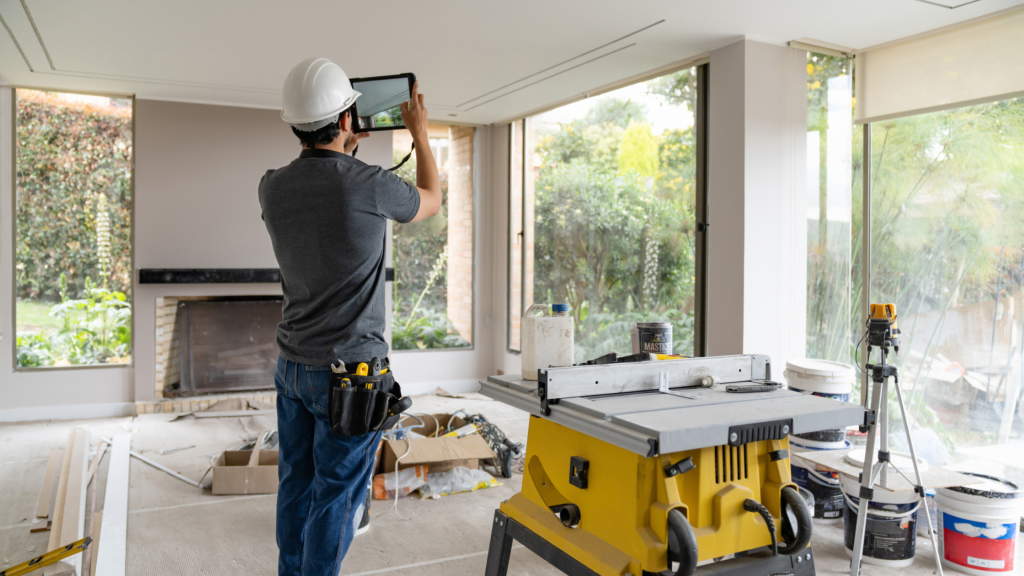
Choosing durable renovation materials is one of the most important decisions homeowners make during upgrades. Long-lasting materials reduce maintenance needs, improve comfort, and protect the value of a property over time. Instead of focusing only on appearance, modern renovation planning emphasizes strength, resistance to wear, and adaptability to everyday use.
This guide highlights reliable renovation materials that combine durability with modern aesthetics and practical performance. 🏡
Why Durable Materials Matter in Renovation Projects
Renovation investments are more effective when materials perform well for years without frequent repairs or replacements. Durable surfaces handle moisture, temperature changes, and daily activity more efficiently.
Benefits of selecting long-lasting materials include:
- Reduced maintenance costs
- Improved structural reliability
- Better resistance to stains and scratches
- Increased property value
- Consistent visual appeal over time
Smart material choices support both functionality and sustainability.
Engineered Wood for Stable Interior Applications
Engineered wood has become a preferred material for cabinets, wall panels, and flooring due to its improved stability compared to traditional timber.
Key advantages include:
- Resistance to warping and shrinking
- Uniform surface structure
- Compatibility with modern finishes
- Efficient performance in changing humidity conditions
Engineered wood works well in bedrooms, living rooms, and modular storage systems.
Quartz Countertops for High-Use Surfaces
Quartz is widely used in kitchens and bathrooms because of its strength and low maintenance requirements.
Important benefits include:
- Non-porous surface structure
- Resistance to stains and scratches
- Easy cleaning routines
- Consistent color patterns
Quartz provides both durability and contemporary visual appeal.
Porcelain Tiles for Floors and Walls
Porcelain tiles are known for their strength and versatility across different areas of the home.
Common uses include:
- Bathroom flooring
- Kitchen backsplashes
- Living room floors
- Outdoor transitional areas
Advantages of porcelain tiles include:
- High moisture resistance
- Long-lasting surface finish
- Easy maintenance
- Compatibility with underfloor heating systems
Porcelain tiles perform well in both wet and dry environments.
Laminated Surfaces for Cabinets and Furniture
Laminates offer protective layers that improve resistance against scratches, stains, and everyday wear.
Popular applications include:
- Kitchen cabinet shutters
- Wardrobe panels
- Study tables
- Storage units
Modern laminates are available in matte, textured, and wood-like finishes that combine style with durability.
uPVC for Windows and Utility Areas
uPVC materials are increasingly used for windows and utility installations due to their weather-resistant properties.
Advantages include:
- Resistance to moisture and corrosion
- Low maintenance requirements
- Good thermal insulation performance
- Long service life in varied climates
uPVC is especially useful in kitchens, bathrooms, and balconies.
Natural Stone for Long-Term Strength
Natural stone surfaces remain one of the most reliable renovation materials for flooring and accent walls.
Common stone options include:
- Granite for countertops
- Marble for feature surfaces
- Slate for textured flooring
These materials provide:
- Strong load-bearing capability
- Timeless visual character
- High durability with proper care
Natural stone enhances both structural strength and interior elegance. 🪨
Glass Panels for Modern Functional Spaces
Tempered glass panels are widely used in contemporary renovation projects for partitions and shower enclosures.
Benefits include:
- Moisture resistance
- Improved light distribution
- Easy cleaning surfaces
- Long-term structural stability
Glass panels help maintain openness while supporting durability.
Stainless Steel Fixtures for High-Moisture Zones
Stainless steel performs well in areas exposed to water and heavy usage.
Typical applications include:
- Kitchen sinks
- Bathroom fittings
- Railings and hardware
- Utility shelving
Its corrosion resistance makes it ideal for long-term reliability.
Vinyl Flooring for Comfortable Everyday Use
Modern vinyl flooring offers a balance between comfort, durability, and affordability.
Advantages include:
- Water-resistant surface protection
- Soft underfoot comfort
- Easy installation process
- Scratch-resistant finishes
Vinyl flooring is particularly useful in bedrooms and family living spaces.
Fiber Cement Boards for Structural Stability
Fiber cement boards provide durable support for walls and ceilings in moisture-prone environments.
Key benefits include:
- Resistance to termites
- Fire-resistant properties
- Long-term dimensional stability
- Suitable performance in humid conditions
These boards are often used in bathrooms, kitchens, and utility areas.
Choosing Materials Based on Lifestyle Needs
Material selection should always match daily usage patterns and environmental conditions.
Helpful considerations include:
- Moisture exposure levels
- Household size and activity level
- Maintenance preferences
- Climate conditions
- Long-term renovation goals
Balanced choices improve both durability and comfort across the home.
Conclusion
Smart renovation materials improve long-term performance by reducing maintenance demands and enhancing structural reliability. Options such as engineered wood, quartz countertops, porcelain tiles, laminates, stainless steel fixtures, and fiber cement boards provide dependable solutions for modern homes. Selecting durable materials based on lifestyle needs ensures renovations remain functional, attractive, and cost-effective for many years.
Frequently Asked Questions (FAQs)
1. How can homeowners identify whether a renovation material is durable?
Checking moisture resistance, scratch resistance, and manufacturer performance ratings helps evaluate long-term durability.
2. Are synthetic materials better than natural materials for renovation projects?
Both have advantages; synthetic materials often require less maintenance, while natural materials offer timeless visual appeal.
3. Which materials are best suited for humid environments inside homes?
Porcelain tiles, stainless steel, fiber cement boards, and uPVC perform well in high-moisture areas.
4. Can durable materials reduce long-term renovation costs?
Yes, long-lasting materials lower repair and replacement expenses over time.
5. Is it important to match flooring materials with room usage?
Selecting flooring based on activity levels improves comfort and increases material lifespan.
6. Are laminated surfaces suitable for high-traffic areas?
High-quality laminates perform well in frequently used areas when installed properly.
7. How often should renovation materials be inspected after installation?
Annual inspections help identify early signs of wear and maintain long-term performance.