

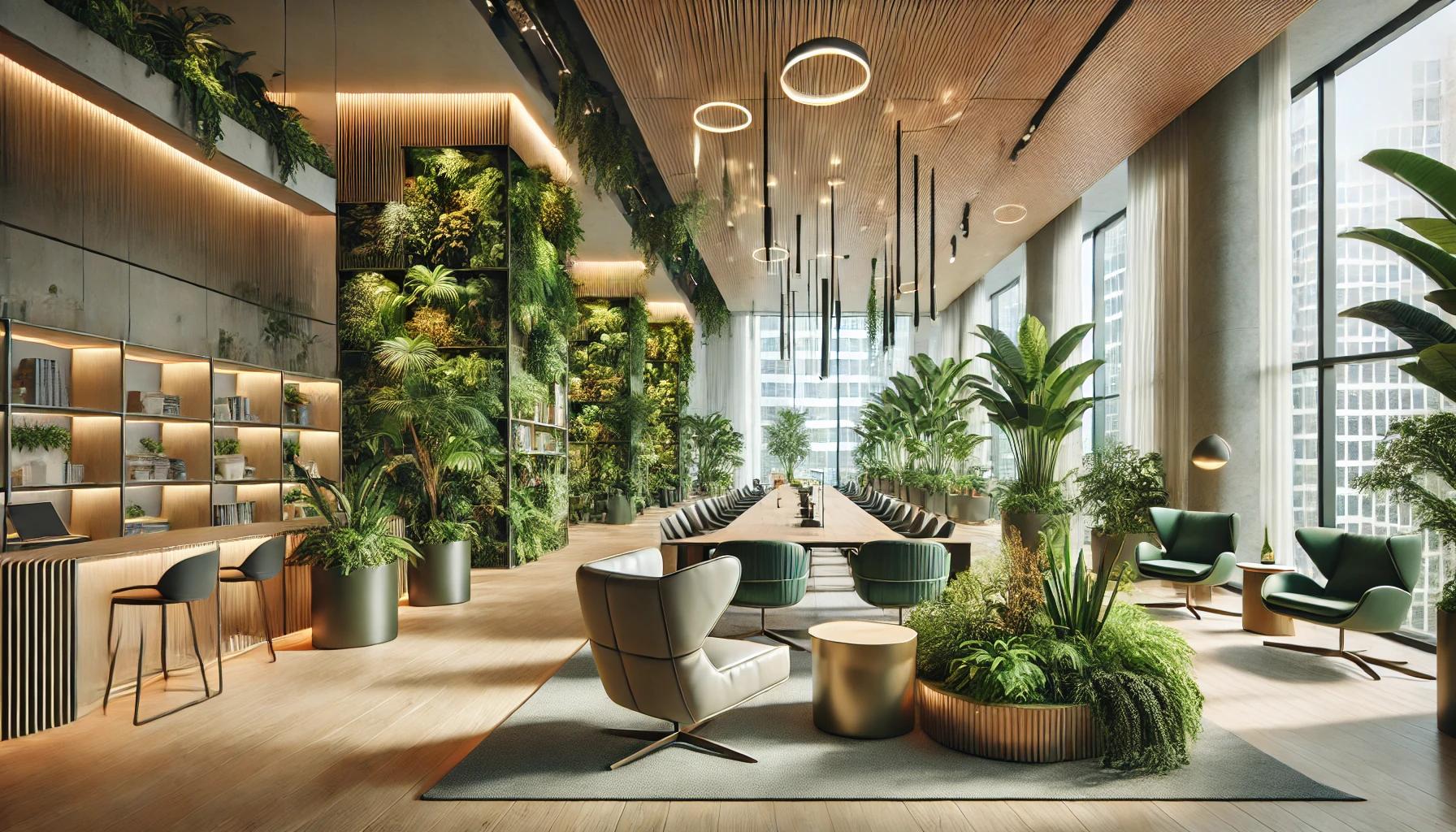
Architecture is far more than arranging walls, roofs, and materials. It quietly shapes how people think, feel, behave, and interact every day. Smart architectural design blends aesthetics with psychology to create environments that improve comfort, productivity, emotional well-being, and social connection.
Understanding the psychological dimension of architecture helps designers create spaces that feel intuitive, calming, inspiring, and functional—all at once. 🧠🏠
What Is Psychological Architecture?
Psychological architecture refers to designing built environments based on how humans perceive space, respond emotionally, and behave within surroundings.
Rather than focusing only on structure and appearance, this approach considers:
- Sensory experience
- Movement patterns
- Natural light exposure
- Spatial proportions
- Emotional comfort
- Social interaction dynamics
The goal is simple yet powerful: spaces should support human well-being instead of merely containing human activity.
Why Smart Architectural Design Matters for Human Behavior
Every environment influences decisions—even when people are unaware of it. A poorly designed building can create stress, confusion, fatigue, or isolation. A thoughtfully designed one can increase focus, happiness, and collaboration.
Smart architecture improves:
- Cognitive clarity
- Emotional balance
- Productivity levels
- Social engagement
- Physical comfort
- Sense of safety and belonging
This is why hospitals, schools, offices, and homes increasingly rely on psychology-driven spatial planning.
The Role of Natural Light in Mental Wellness
Natural light is one of the strongest psychological tools in architecture. Exposure to daylight regulates circadian rhythms and improves mood stability.
Benefits of daylight-focused design include:
- Reduced stress levels
- Better sleep patterns
- Higher workplace productivity
- Faster recovery in healthcare environments
- Improved concentration in students
Large windows, skylights, reflective surfaces, and open layouts help maximize daylight penetration across interior spaces. 🌞
Spatial Layout and Human Movement Patterns
People naturally respond to how space guides their movement.
Smart layouts:
- reduce confusion
- improve navigation
- encourage interaction
- enhance safety perception
For example:
- Open layouts encourage collaboration
- Clearly defined pathways reduce anxiety
- Transitional zones create comfort between private and public areas
Design that aligns with natural movement patterns feels intuitive rather than restrictive.
Color Psychology in Architectural Design
Colors influence mood faster than most architectural elements. Strategic color selection shapes emotional responses inside a space.
Common psychological color effects include:
- Blue: calmness and focus
- Green: balance and relaxation
- Yellow: optimism and energy
- Neutral tones: stability and comfort
- Warm earthy shades: grounding and security
Hospitals, classrooms, offices, and residential spaces all use color differently based on behavioral goals.
Biophilic Design: Connecting Humans With Nature
Biophilic architecture integrates natural elements into built environments. Humans instinctively feel calmer in nature-connected spaces.
Key features include:
- indoor plants and green walls
- natural ventilation
- water features
- wooden textures
- daylight access
- landscape visibility
Studies consistently show that biophilic environments reduce anxiety and increase creative thinking. 🌿
Ceiling Height and Psychological Perception
Ceiling height subtly influences how people think and behave.
Higher ceilings promote:
- creativity
- abstract thinking
- openness
Lower ceilings support:
- focus
- privacy
- task-oriented thinking
Smart architects adjust ceiling height according to the intended function of each room.
Acoustic Comfort and Mental Clarity
Noise affects stress levels more than many people realize.
Thoughtful acoustic design includes:
- sound-absorbing materials
- strategic zoning
- insulated walls
- controlled reverberation levels
Quiet environments improve concentration, reduce fatigue, and support emotional regulation—especially in workplaces and learning spaces. 🔇
Sense of Control and Personal Comfort
People feel psychologically secure when they can influence their surroundings.
Design strategies that improve control include:
- adjustable lighting
- flexible furniture layouts
- temperature regulation options
- privacy zones
- adaptable workspaces
Spaces that empower users create stronger emotional attachment and long-term satisfaction.
Social Interaction Through Architectural Planning
Architecture shapes how communities connect.
Design elements encouraging interaction include:
- shared courtyards
- open staircases
- collaborative work zones
- seating clusters
- visual transparency between spaces
These features strengthen communication and reduce feelings of isolation in residential and professional environments.
Sustainability and Psychological Well-Being
Sustainable architecture supports both environmental and emotional health.
Eco-friendly buildings improve psychological comfort through:
- cleaner air quality
- reduced indoor toxins
- natural material use
- daylight optimization
- connection with outdoor surroundings
People often report stronger satisfaction living or working inside environmentally responsible structures. 🌍
Smart Technology and Adaptive Environments
Modern architecture increasingly integrates intelligent systems that respond to human behavior.
Examples include:
- motion-responsive lighting
- automated ventilation systems
- temperature personalization
- daylight-sensitive shading
- occupancy-aware layouts
Adaptive environments create seamless comfort without conscious effort from occupants.
Designing for Emotional Experience, Not Just Function
Traditional architecture prioritized durability and efficiency. Smart architectural design prioritizes human experience first.
Emotion-centered design considers:
- how spaces feel upon entry
- how easily users navigate them
- how comfortable they remain over time
- how naturally they support daily routines
When architecture responds to psychological needs, buildings become environments people genuinely enjoy inhabiting.
FAQ Section
1. How does architecture influence mood in everyday life?
Architecture affects mood through lighting, color schemes, spatial openness, acoustics, and natural elements. These features shape emotional comfort and stress levels subconsciously.
2. What is human-centered architectural design?
It is an approach that prioritizes user comfort, behavior patterns, and psychological well-being while planning spatial layouts and building features.
3. Can architectural design improve workplace productivity?
Yes. Natural lighting, ergonomic layouts, acoustic comfort, and collaborative zones significantly improve concentration, creativity, and teamwork efficiency.
4. Why is natural ventilation important in smart architecture?
Natural airflow improves indoor air quality, reduces fatigue, supports respiratory health, and creates a more refreshing indoor environment.
5. How does ceiling height affect thinking ability?
Higher ceilings encourage creativity and abstract thinking, while lower ceilings help improve concentration on detailed tasks.
6. What role does sustainability play in psychological comfort?
Eco-friendly materials, improved air quality, and access to natural surroundings create healthier environments that support emotional stability.
7. Is smart architectural design only useful for large buildings?
No. Even small residential spaces benefit from psychological design principles such as daylight use, flexible layouts, calming colors, and natural material integration.